
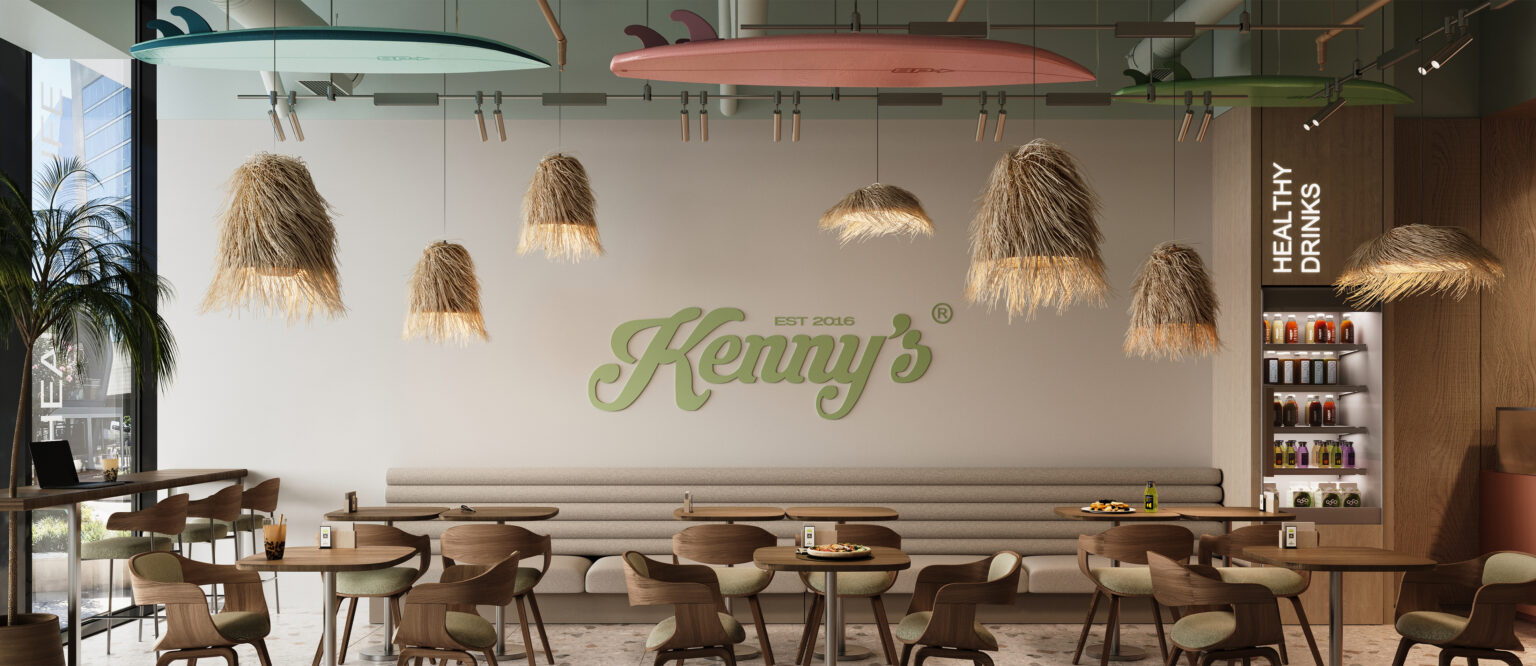
What do you need to know to become an interior designer? Short answer: taste alone is not enough. This profession requires spatial thinking, technical knowledge, software proficiency, effective communication with clients, and a strong portfolio.
An interior designer ensures that the space is not only beautiful but also functional. This means you do not just select colors — you carry out spatial planning, take precision measurements, analyze materials, study light behaviors, and optimize furniture layouts.
1. Spatial Thinking and Planning
A good interior designer views a room not as a "blank box," but as an active usage scenario. The requirements for cafes, offices, homes, or restaurants are completely different. Thus, understanding the client's needs is the absolute first step before starting the layout.
2. Color, Lighting, and Material Knowledge
Color psychology, natural and artificial lighting behaviors, textures, and material pairings play a key role in interior design. The same space can feel completely different under different lighting configurations.
3. Essential Software and Technical Skills
To succeed as an interior designer, it is highly beneficial to learn the following tools:
- AutoCAD – for precise technical layouts and blueprints
- SketchUp – for quick 3D modeling
- 3ds Max – for ultra-realistic final renderings
- Photoshop – for mood boards and post-production details
- Revit – for advanced building information modeling (BIM)
4. The Role of a Portfolio
When applying for jobs or meeting clients, your portfolio is your calling card. A professional portfolio should showcase not just the final renders, but the design workflow, initial layouts, material choices, and details.
5. Working with Clients
Professional interior designers must listen carefully, ask the right questions, and translate needs into design aesthetics. Balancing client dreams with technical constraints and actual budgets is essential.
6. How to Avoid Common Mistakes
A frequent mistake among beginners is designing purely for visuals. Another is ignoring proportions, ergonomics, and spacing comfort. Excellent design must balance aesthetics with daily comfort.
7. Where to Start as an Interior Designer
If you are new to the field, follow this logical progression: core design theory → software skills → concept projects → portfolio building → real client commissions. Hands-on practice is the key.
Conclusion
To become an interior designer, you need a balance of spatial design, software knowledge, technical understanding, materials, and communication. Master these, and you will elevate to a professional status.